
Project engineers play a vital role in delivering the infrastructure projects that keep electricity networks running safely, reliably and efficiently.
From substation upgrades and cable replacement programmes to renewable energy integration and network reinforcement projects, project engineers help turn technical plans into successful real-world outcomes.
As electricity networks continue to evolve to meet increasing demand and support the transition to low-carbon energy, the need for skilled project engineers has never been greater.
For engineers considering their next career move, power infrastructure offers the opportunity to work on technically challenging projects that have a direct impact on communities, businesses and future energy systems.
What is a project engineer?
A project engineer is responsible for coordinating the technical, operational and commercial aspects of engineering projects.
They act as the link between design teams, contractors, operational teams and stakeholders to ensure projects are delivered safely, on time and within budget.
While specific responsibilities vary between industries, project engineers are typically involved in:
- Planning and coordinating project activities
- Managing project schedules and resources
- Supporting technical design and delivery
- Monitoring project costs and budgets
- Managing risks and resolving issues
- Coordinating contractors and suppliers
- Ensuring health and safety compliance
- Supporting project commissioning and handover
Project engineers combine technical engineering knowledge with project management skills, making them a key part of successful infrastructure delivery.

What does a project engineer do?
The day-to-day responsibilities of a project engineer often vary depending on the stage of a project.
During planning and design phases, project engineers may work closely with design teams to review technical proposals, assess project requirements and develop delivery plans.
As projects move into construction and implementation, they often coordinate multiple teams, monitor progress and resolve technical or operational challenges that arise.
Within electricity infrastructure environments, project engineers frequently work alongside:
- Electrical engineers
- Civil engineers
- SAP 132kV authorised persons
- Operations teams
- Contractors and suppliers
- Asset management specialists
Their role is to ensure all parts of a project work together effectively while maintaining safety, quality and performance standards.
If you’re interested in the engineering side of live electricity infrastructure, you may also find our article on Life as an Electrical Engineer on a Live Electricity Network Upgrade Project useful.
Project engineers in power infrastructure
Power infrastructure projects are among the most complex engineering programmes being delivered across the UK and Channel Islands today.
Electricity networks are undergoing significant investment to support:
- Network resilience
- Electrification programmes
- Renewable energy integration
- EV charging infrastructure
- Smart grid technologies
- Future energy demand
Project engineers are often at the centre of these programmes, helping coordinate activities across multiple disciplines while ensuring projects are delivered safely and efficiently.
Unlike many engineering environments, infrastructure upgrades frequently take place around operational assets that continue to provide essential services.
This means project engineers must balance technical delivery, operational requirements and safety considerations throughout the project lifecycle.
Managing live electricity network projects
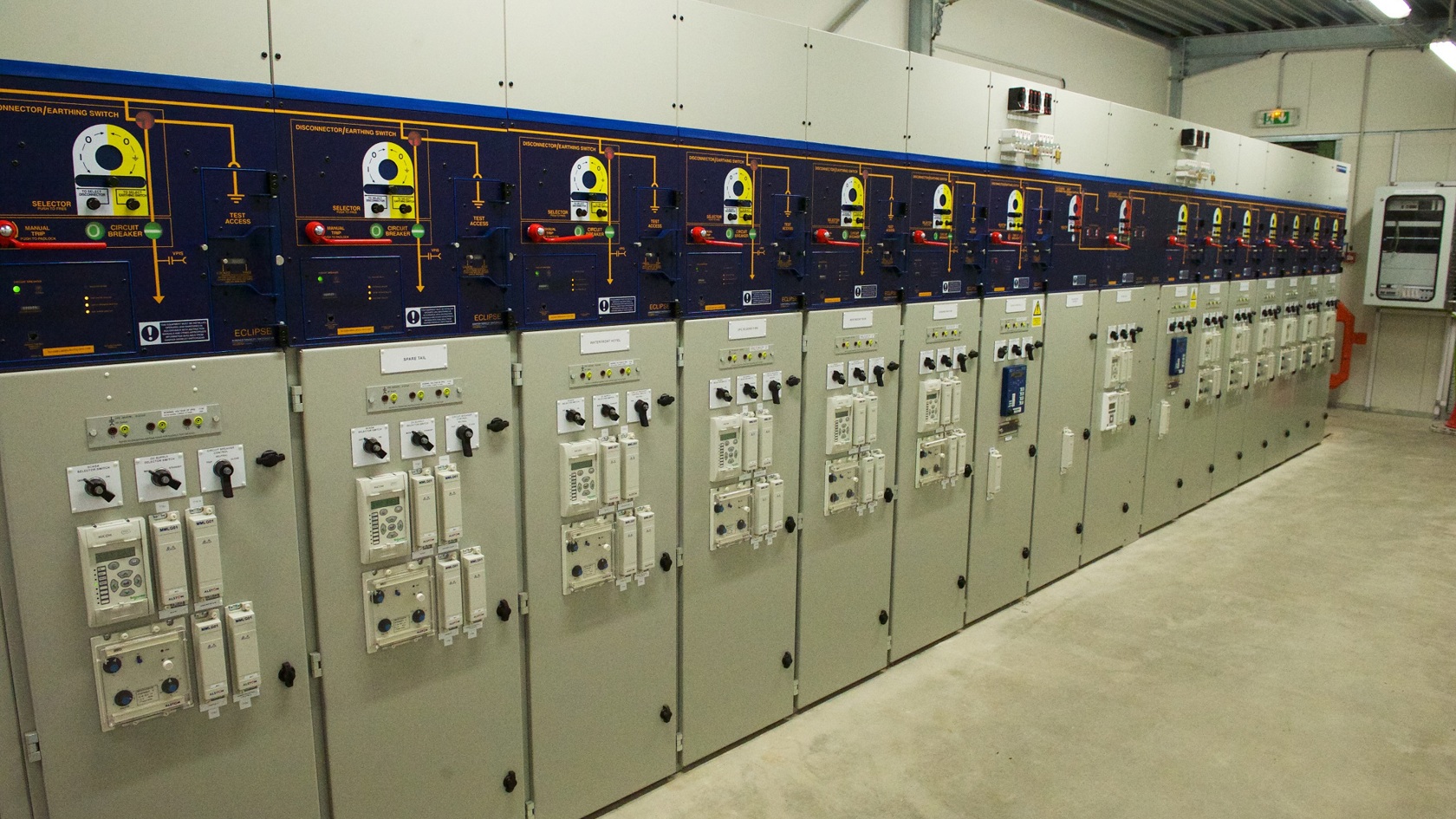
One of the most challenging aspects of power infrastructure delivery is managing projects on or around live operational networks.
Projects may involve:
- Substation upgrades
- New cable installations
- Asset replacement programmes
- Network reinforcement schemes
- Renewable energy connections
Effective coordination between engineering, operational and field-based teams is critical.
Project engineers often work closely with operational specialists and high-voltage teams to ensure work can be completed safely while maintaining network reliability.
For a deeper understanding of how electricity networks operate, read our guide on How Distribution Network Operators Keep Electricity Networks Running.
Professionals involved in high-voltage operations may also be interested in our article SAP 132kV Authorised Person: Roles, Responsibilities and Career Path.
Project engineer vs project manager: what’s the difference?
A common question is whether a project engineer and project manager perform the same role.
While there is some overlap, the two positions are typically different.
A project engineer often has greater involvement in the technical aspects of project delivery, including engineering decisions, design reviews and coordination of technical activities.
A project manager generally has broader responsibility for programme delivery, budgets, commercial performance and stakeholder management.
Many engineers choose to progress into project management later in their careers, using the technical and leadership experience gained through project engineering roles.
Is project engineering a good career?
For many engineers, project engineering offers an excellent balance between technical work and leadership responsibility.
Benefits of a project engineering career can include:
- Exposure to large-scale infrastructure projects
- Strong career progression opportunities
- Development of leadership and management skills
- Variety across different projects and technologies
- Opportunities to progress into senior management roles
As investment in energy and infrastructure continues to grow, experienced project engineers remain in high demand across the utilities sector.
How to become a project engineer
There is no single route into project engineering.
Many professionals begin their careers as:
- Electrical engineers
- Civil engineers
- Mechanical engineers
- Design engineers
- Site engineers
As they gain experience, they often move into roles involving project coordination, delivery and stakeholder management.
Key skills typically include:
- Technical engineering knowledge
- Planning and organisational ability
- Communication skills
- Problem solving
- Risk management
- Commercial awareness
- Leadership capability
Professional qualifications such as PRINCE2, APM or other project management certifications can also support career progression.

Career opportunities in electricity infrastructure
As electricity networks continue to modernise, project engineers will play a critical role in delivering the infrastructure required to support future energy demands.
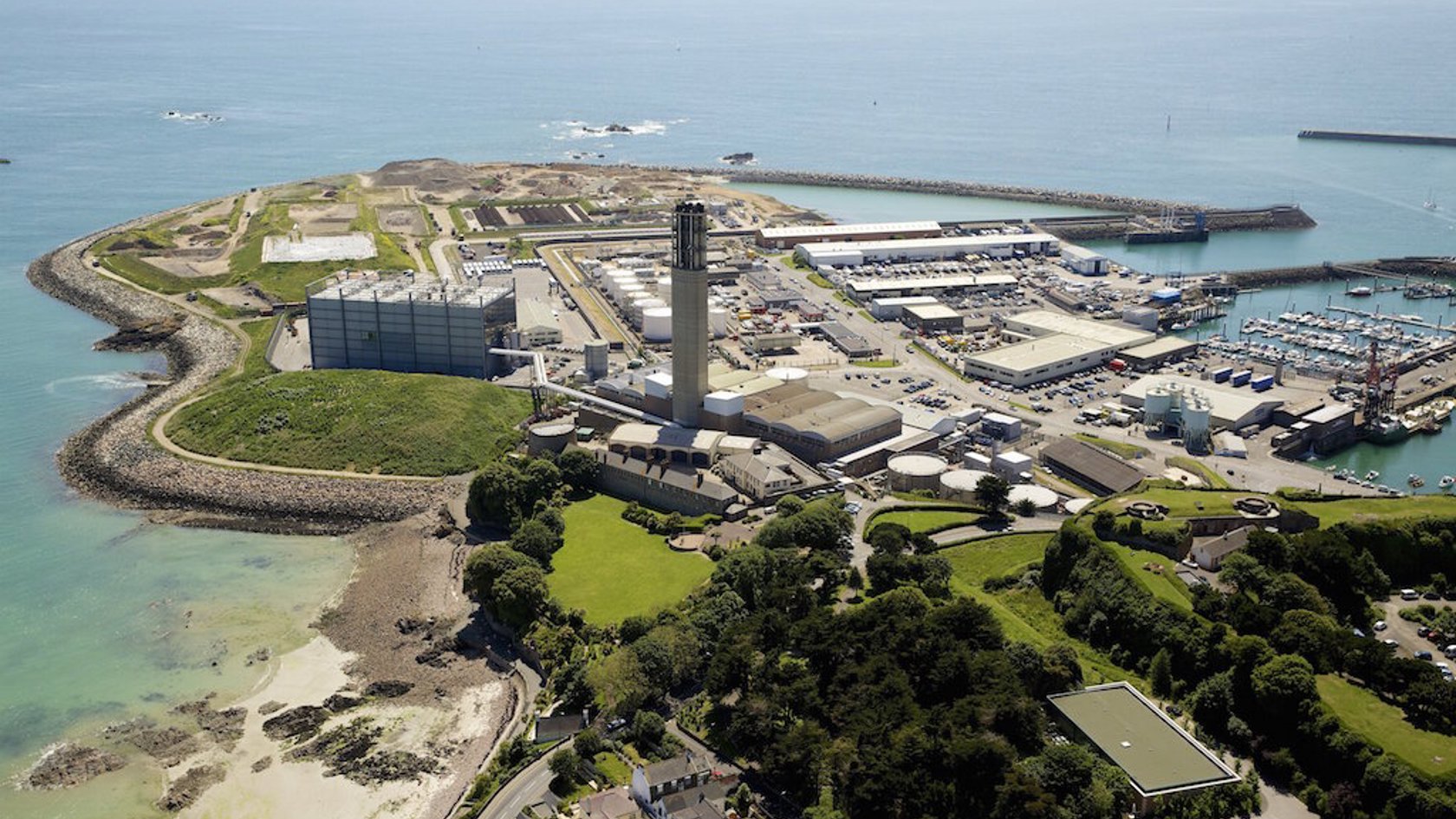
Organisations such as Jersey Electricity are investing in network resilience, infrastructure improvements and long-term energy solutions that require skilled engineering and project delivery professionals.
To learn more about Jersey Electricity and current opportunities, visit Jersey Electricity and current opportunities
You may also find these related articles helpful:
- Working in Jersey: A Complete Guide to Careers, Visas, Tax and Island Life
- Life as an Electrical Engineer on a Live Electricity Network Upgrade Project
- SAP 132kV Authorised Person: Roles, Responsibilities and Career Path
- How Distribution Network Operators Keep Electricity Networks Running
- 5 Reasons Renewable Energy Careers Are Growing Faster Than Ever
For engineers looking to combine technical expertise with project leadership, power infrastructure continues to offer some of the most rewarding and future-focused career opportunities available.
Looking for your next project engineer opportunity? Contact Lee Elwell on 01384 446154 I lee.elwell@jonlee.co.uk for a confidential conversation or to discuss the latest open project engineer roles.
Share this blog post
