
Modern electricity networks are some of the most complex pieces of infrastructure in the UK.
Behind every home, business, hospital and public service connected to the grid is a huge operational effort involving planning, engineering, maintenance and field delivery teams working together to keep electricity flowing safely and reliably.
At the centre of this are Distribution Network Operators (DNOs) — organisations responsible for managing and maintaining electricity distribution infrastructure.
But keeping a network running involves far more than cables and substations alone. It also depends on effective workforce planning, operational coordination and service delivery across live infrastructure environments.
As investment in electricity networks continues to grow, so does demand for experienced professionals who can help manage these critical operations.
This growth is also creating wider opportunities across engineering, operations and infrastructure delivery, particularly within live network environments and renewable energy projects.
What does a Distribution Network Operator do?
A Distribution Network Operator (DNO) is responsible for operating and maintaining the electricity distribution network within a specific region.
This includes:
- substations
- underground and overhead cable networks
- metering infrastructure
- fault response and restoration
- network upgrades and reinforcement projects
Distribution Network Operators ensure electricity is delivered safely and reliably from the transmission network through to homes and businesses.
They also play a key role in supporting the transition towards low-carbon energy systems, including electrification, renewable integration and EV infrastructure.
Managing electricity infrastructure and field operations
Running a modern electricity network requires constant coordination between operational, engineering and field-based teams.
Unlike many industries, electricity infrastructure cannot simply be paused while upgrades or maintenance are carried out. Engineers and operational teams working on these projects often support live infrastructure upgrades while maintaining continuity of supply, particularly across complex electricity network programmes.
This means Distribution Network Operators rely heavily on:
- operational planning
- workforce deployment
- scheduling and resource allocation
- coordination between construction, metering and network teams
- real-time response to changing operational demands
This coordination also involves close collaboration with high-voltage operational teams, including SAPs responsible for managing safety and switching activities on live electrical systems.
Strong operational leadership is essential to ensuring resources are deployed effectively while maintaining safety, reliability and service performance.
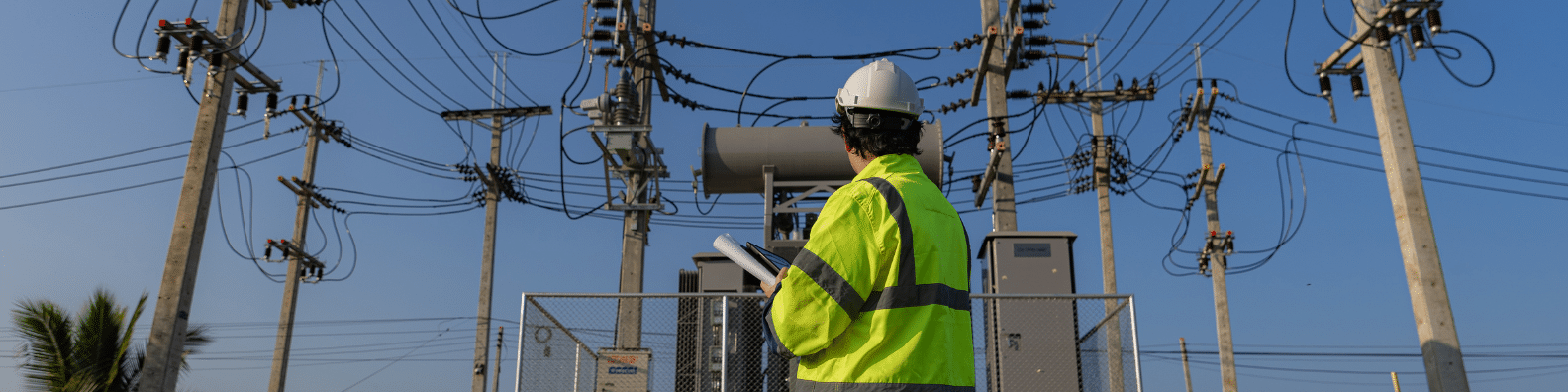
Workforce planning across live electricity networks
One of the less visible — but most critical — parts of electricity network operations is workforce planning.
Resource planning teams help ensure the right people, equipment and operational support are available across multiple infrastructure activities, including:
- planned maintenance
- network upgrades
- fault response
- metering programmes
- construction works
In live infrastructure environments, priorities can shift quickly. Weather events, outages or emergency works may require rapid redeployment of field teams and operational resources.
As networks become more complex, workforce planning is increasingly becoming a strategic operational function rather than simply an administrative task.
Operational resource planning roles are becoming increasingly important across electricity infrastructure organisations as networks become more complex and service demands continue to grow.
Coordinating construction, metering and service delivery
Electricity networks rely on multiple teams working together simultaneously.
Operational leaders and resource planning managers often coordinate activities across:
- field engineering teams
- metering operations
- infrastructure construction
- planned maintenance works
- customer service delivery
This requires balancing operational priorities, resource availability and project deadlines while ensuring all activities remain compliant with health, safety and distribution procedures.
Strong communication, analytical thinking and operational awareness are essential within these environments.

Why operational leadership matters in electricity distribution
As electricity infrastructure evolves, operational complexity is increasing.
Distribution Network Operators are now managing:
- growing electricity demand
- decarbonisation programmes
- renewable integration
- smart infrastructure
- electrification projects
As investment in low-carbon infrastructure accelerates, organisations across the utilities sector are increasingly looking for professionals who can support both operational performance and future energy transition projects.
This means operational leadership roles are becoming increasingly important across utilities and infrastructure organisations.
Professionals with experience in:
- workforce planning
- field operations
- utilities service delivery
- infrastructure coordination
- operational performance management
are playing a key role in helping networks operate efficiently while supporting future infrastructure growth.
Careers supporting modern electricity networks
While engineers and technicians are highly visible within electricity infrastructure, many critical careers exist within operational management and service delivery functions.
Roles supporting modern electricity networks can include:
- Resource Planning Managers
- Operations Managers
- Service Delivery Managers
- Workforce Planning Leads
- Infrastructure Operations Managers
These positions help coordinate large-scale operational activities and ensure essential services continue to run effectively.
A strong example is the work being carried out by Jersey Electricity, which operates and maintains critical electricity infrastructure while supporting long-term investment and network modernisation projects.
One example is the current opportunity for a Service Delivery Resource Manager supporting electricity distribution operations and workforce coordination within a live utility infrastructure environment.
For professionals considering infrastructure careers in the Channel Islands, understanding what working and living in Jersey looks like can also help provide valuable context around relocation and long-term career opportunities.
Current opportunities within operational resource planning and service delivery demonstrate the increasing importance of workforce coordination within live electricity network environments.

Frequently Asked Questions
What does a Distribution Network Operator do?
A Distribution Network Operator manages and maintains the local electricity distribution network, including substations, cables and operational infrastructure that deliver power to homes and businesses.
What is workforce planning in utilities?
Workforce planning in utilities involves coordinating operational staff, field teams and technical resources to support infrastructure maintenance, upgrades and service delivery activities.
Why is workforce planning important in electricity networks?
Electricity networks operate continuously, meaning operational teams must carefully plan and deploy resources to maintain reliability, respond to faults and support infrastructure projects safely.
What skills are needed for infrastructure operations roles?
Key skills include operational planning, team coordination, analytical problem-solving, stakeholder management and experience working within utilities, infrastructure or field operations environments.
What careers exist within electricity network operations?
Electricity infrastructure organisations recruit across engineering, field operations, workforce planning, service delivery, construction coordination and operational leadership functions.
Supporting the future of electricity infrastructure
As electricity networks continue to modernise, the demand for professionals who can support operational delivery, workforce coordination and infrastructure planning will continue to grow.
For individuals with experience in utilities, operations management, infrastructure planning or service delivery, opportunities within electricity distribution offer the chance to work within an essential, future-focused sector.
Jersey Electricity continues to invest in infrastructure, operational performance and long-term network resilience — creating opportunities for professionals who can help support and coordinate critical electricity services.
Professionals with experience in infrastructure operations, workforce planning or utilities service delivery can explore the latest Service Delivery Resource Manager opportunity here. To explore current opportunities with Jersey Electricity, visit Jersey Electricity Careers.
Or contact Lee Elwell:
📧 lee.elwell@jonlee.co.uk
📞 01384 446154
You can also explore related insights on:
Share this blog post
