
As countries around the world work towards net zero targets, electricity infrastructure is becoming increasingly important.
The way we generate, distribute and consume electricity is changing rapidly. The growth of renewable energy, electric vehicles, heat pumps and smart technologies is placing new demands on electricity networks and creating opportunities for engineers across multiple disciplines.
But what exactly is electricity infrastructure, and why is it so important to the energy transition?
In this article, we’ll explore how electricity infrastructure is evolving, the engineering skills required to support it, and why organisations such as Jersey Electricity are investing in the networks that will power the future.
What is electricity infrastructure?
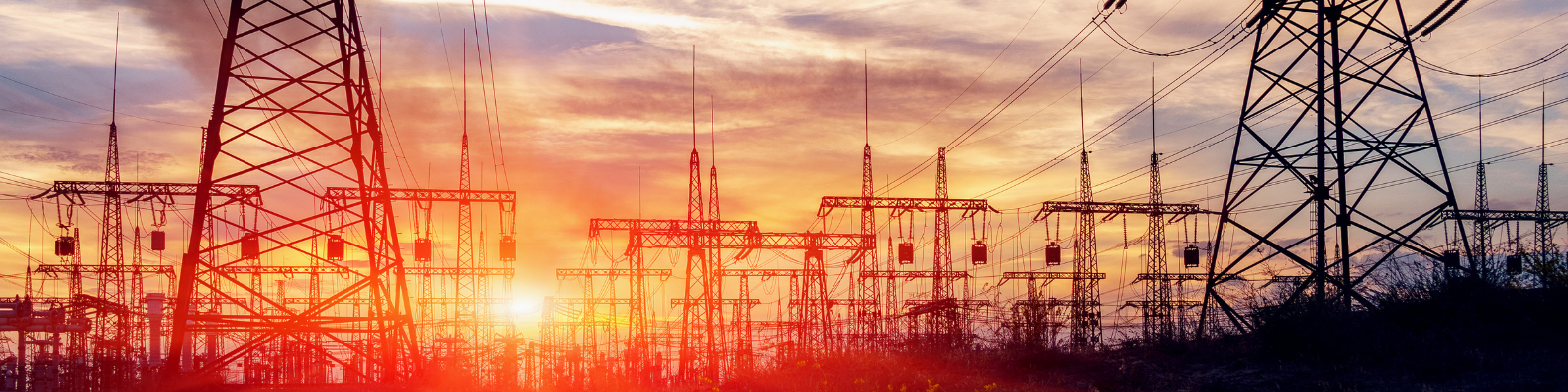
Electricity infrastructure refers to the physical assets and systems used to generate, transmit, distribute and manage electricity.
Examples of electricity infrastructure include:
- Power stations and renewable energy generation assets
- Substations
- Transformers
- Underground and overhead cables
- Distribution networks
- Control systems
- Smart metering infrastructure
- Electric vehicle charging networks
Together, these assets ensure electricity can be delivered safely and reliably to homes, businesses and public services.
As electricity demand continues to grow, infrastructure investment is becoming increasingly important to support future energy needs.
Why electricity infrastructure is changing
Historically, electricity networks were designed around predictable demand patterns and centralised power generation.
Today, the energy landscape looks very different.
Several factors are driving significant changes across electricity infrastructure:
Electrification
More homes and businesses are switching from fossil fuel technologies to electric alternatives.
Examples include:
- Heat pumps
- Electric vehicles
- Battery storage systems
- Electric heating solutions
Jersey Electricity is actively supporting this transition through initiatives focused on low-carbon technologies, home electrification and sustainable energy solutions.
As electrification increases, electricity networks must evolve to accommodate changing demand and usage patterns.
Renewable energy integration
Renewable energy sources such as solar and wind play an increasingly important role in modern energy systems.
Unlike traditional power generation, renewable energy often introduces new challenges around network balancing, flexibility and capacity planning.
This requires ongoing investment in network resilience and infrastructure upgrades.
Growing demand for reliable energy
Modern economies rely heavily on secure electricity supplies.
From homes and hospitals to data centres and transportation systems, reliable electricity infrastructure is essential for everyday life.
Network operators must continually invest in maintaining and improving assets to ensure long-term reliability.
The role of electrification in the energy transition
One of the biggest drivers of the energy transition is electrification.
In simple terms, electrification means replacing technologies powered by fossil fuels with technologies powered by electricity.
Examples include:
- Petrol vehicles replaced by electric vehicles
- Gas boilers replaced by heat pumps
- Fossil fuel heating replaced by electric heating systems
While these changes help reduce carbon emissions, they also place additional demands on electricity networks.
This is why infrastructure upgrades are becoming increasingly important across the energy sector.
Projects involving network reinforcement, substation upgrades and smart energy systems are helping prepare electricity networks for future demand.
The engineers behind modern electricity networks
Delivering the energy transition requires more than technology alone.
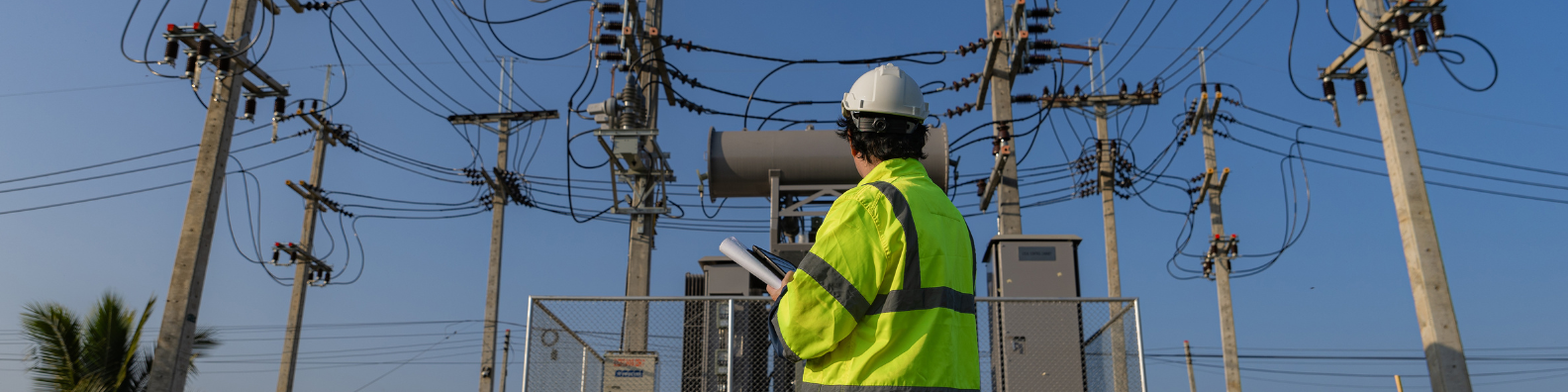
It requires skilled engineers who can design, build, maintain and improve critical infrastructure.
A wide range of engineering disciplines contribute to modern electricity networks.
Electrical engineers
Electrical engineers play a vital role in designing and maintaining power systems, substations and network assets.
If you’d like to learn more, read our article:
Life as an Electrical Engineer on a Live Electricity Network Upgrade Project
Project engineers
Large infrastructure programmes rely on project engineers to coordinate technical delivery, manage stakeholders and ensure projects are completed safely and efficiently.
Read more here:
Project Engineers in Power Infrastructure: Delivering Network Upgrade Projects
Authorised persons and network specialists
Specialist engineers are responsible for ensuring work on high-voltage systems is carried out safely.
Our article explores this career path in more detail:
SAP 132kV Authorised Person: Roles, Responsibilities and Career Path
Distribution network professionals
Behind every reliable electricity supply is a team responsible for operating and maintaining the network.
You can learn more about these roles in:
How Distribution Network Operators Keep Electricity Networks Running
The future of engineering is more diverse than ever
Delivering the energy transition is not just about investing in infrastructure and technology. It’s also about attracting and developing the people who will design, operate and improve the energy systems of the future.
Across the engineering sector, more women are building successful careers in electrical engineering, project delivery, operations, technology and renewable energy. As demand for engineering talent continues to grow, organisations are increasingly recognising the value of diverse teams and perspectives when solving complex technical challenges.
Jersey Electricity has recently highlighted this through its celebration of International Women in Engineering Day, showcasing the women helping shape the island’s energy future. From keeping critical infrastructure running and driving innovation in technology to leading major projects and developing sustainable solutions, women are making an important contribution across the business.
One example is Tanya Mallett, Metering Team Leader at Jersey Electricity, whose leadership has helped create a positive team environment focused on growth, development and safety. Her story reflects the wide variety of opportunities available within modern engineering and infrastructure organisations.
As electricity networks continue to evolve, attracting talented people from different backgrounds, experiences and disciplines will be essential. The future of engineering will require not only technical expertise, but also strong leadership, collaboration and innovative thinking to help deliver the next generation of electricity infrastructure.
Why electricity infrastructure projects are growing
Investment in electricity infrastructure is accelerating across the UK and beyond.
Network operators are investing in:
- Capacity upgrades
- Network resilience
- Renewable energy integration
- Smart technologies
- Asset replacement programmes
- Electric vehicle infrastructure
For engineers, this creates exciting opportunities to work on projects that directly support the future of energy.
It also means increasing demand for skills in:
- Power systems engineering
- Electrical engineering
- Project delivery
- Asset management
- Network operations
- Renewable energy

Career opportunities in electricity infrastructure
As the energy transition continues, demand for engineering talent is expected to remain strong.
Organisations such as Jersey Electricity are investing in the infrastructure, technologies and people needed to support the island’s future energy requirements.
From electrical engineering and project delivery through to network operations and renewable energy initiatives, there are opportunities for professionals looking to make a meaningful impact within the energy sector.
You can learn more about Jersey Electricity and current opportunities here:
You may also find these articles useful:
- Working in Jersey: A Complete Guide to Careers, Visas, Tax and Island Life
- Explore Exciting Grid Engineer Opportunities in Jersey
- Working in Advanced Metering Infrastructure (AMI): Roles, Skills and Career Paths
- 5 Reasons Renewable Energy Careers Are Growing Faster Than Ever
The future of electricity infrastructure
Electricity infrastructure sits at the heart of the energy transition.
As demand for cleaner energy solutions grows, so too does the need for robust, reliable and adaptable electricity networks.
From network upgrades and renewable energy integration to electrification and smart technologies, engineers are helping shape the future of how energy is delivered and consumed.
For those considering a career in the sector, there has rarely been a more exciting time to be involved in electricity infrastructure.

Share this blog post
