
Within electricity networks, few roles carry as much responsibility as a Senior Authorised Person (SAP) operating at 132kV.
These professionals play a critical role in ensuring the safe operation of high-voltage systems, particularly during switching, maintenance and infrastructure upgrades. As electricity networks continue to evolve, demand for experienced SAPs remains consistently high — especially across large-scale infrastructure programmes.
But what does a SAP 132kV Authorised Person actually do, and what does the career path look like?
What is a SAP 132kV Authorised Person?
A SAP (Senior Authorised Person) at 132kV is responsible for the safe control, operation and isolation of high-voltage electrical systems.
They are formally authorised under a utility’s safety rules to:
- carry out high-voltage switching
- issue safety documentation (such as permits-to-work)
- ensure equipment is safely isolated before work begins
- oversee work on or near live electrical infrastructure
Operating at 132kV requires a high level of technical competence, experience and accountability, as decisions directly impact network safety, reliability and operational continuity.
Key responsibilities of a SAP at 132kV
While responsibilities can vary depending on the organisation, SAPs working on electricity networks are typically involved in:
High-Voltage switching operations
Planning and executing switching activities on HV networks, ensuring all operations are carried out safely and in accordance with established procedures.
Safety documentation and permits
Issuing and managing safety documents, including permits-to-work and sanctions-for-test, ensuring all work is properly controlled.
Network isolation and earthing
Ensuring electrical systems are correctly isolated and earthed before maintenance, upgrade or construction work begins.
Supporting infrastructure projects
Working closely with engineering and project teams to enable safe delivery of network upgrades, including substation works and system reinforcement.
Supervising work on site
Providing oversight of contractors and engineers working on or near high-voltage equipment, ensuring compliance with safety rules at all times.
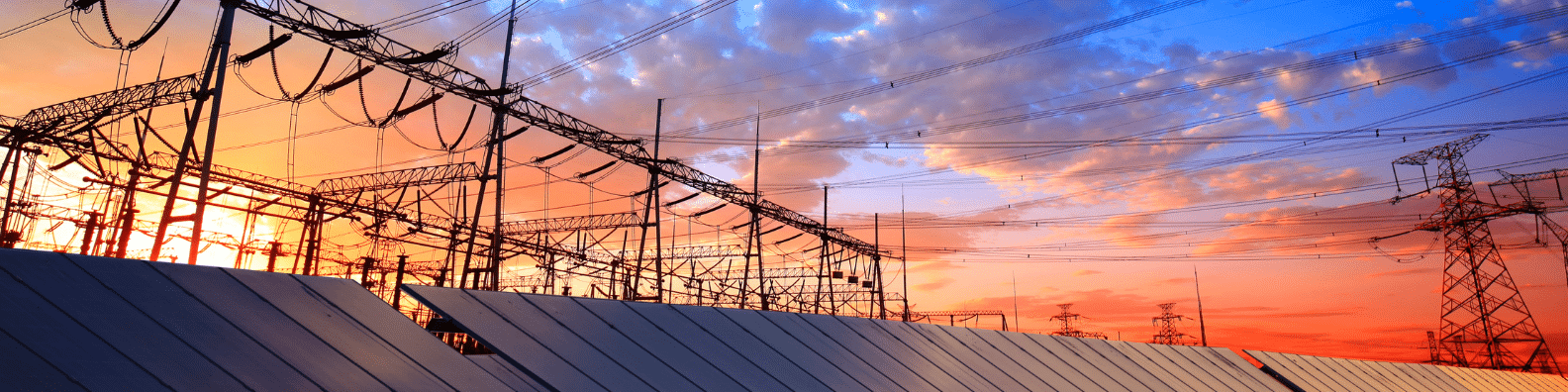
Working on live electricity networks
One of the defining aspects of the SAP role is working within live operational environments.
Electricity networks cannot simply be switched off. Instead, work must be carefully planned and executed to maintain supply while enabling upgrades and maintenance.
This requires:
- detailed operational planning
- strong communication between teams
- a deep understanding of network configuration
- strict adherence to safety procedures
SAPs are central to this process, acting as the link between operations, engineering and project delivery teams.
Skills and experience required
Becoming a SAP at 132kV typically requires significant experience within the electricity or utilities sector.
Common requirements include:
- Extensive experience working on HV/MV electrical systems
- Strong understanding of electrical network operations
- Proven experience carrying out switching activities
- Knowledge of safety rules and operational procedures
- Ability to assess risk and make critical decisions under pressure
In addition to technical expertise, strong communication and leadership skills are essential, as SAPs are responsible for coordinating work and ensuring safety across multiple teams.
 Career path to becoming a SAP
The path to becoming a SAP is typically built over several years of practical experience.
Common progression routes include:
- HV or MV Technician / Engineer
- Authorised Person (AP)
- Senior Authorised Person (SAP)
Progression requires both technical development and formal authorisation under an organisation’s safety rules.
Many SAPs develop their careers within utilities, infrastructure providers or contractors working on electricity networks.
SAP roles in infrastructure upgrade projects
As electricity networks are modernised, SAPs play a vital role in enabling infrastructure delivery.
Programmes focused on:
- network reinforcement
- substation upgrades
- asset replacement
- capacity expansion
all require experienced SAPs to ensure work is carried out safely and efficiently.
A key example of this is the Big Upgrade programme being delivered by Jersey Electricity, where experienced engineers and authorised personnel support the safe modernisation of the island’s electricity network.
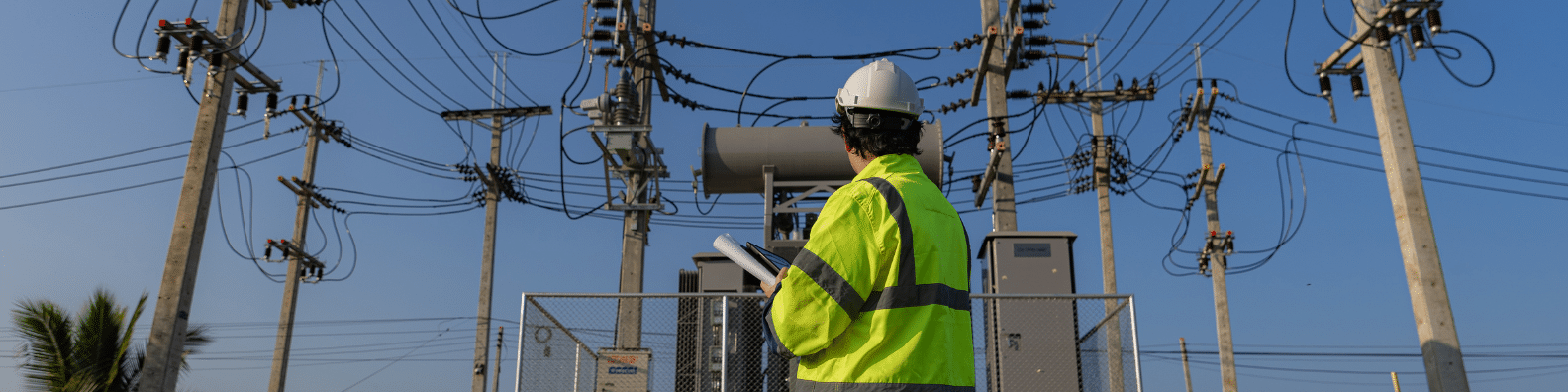 Why SAP roles are in high demand
SAPs at 132kV are a relatively small and highly specialised talent pool.
Demand is driven by:
- increasing investment in electricity infrastructure
- ageing network assets requiring replacement
- growth in renewable energy and electrification
- the need to maintain safe, reliable power systems
Because of this, experienced SAPs are consistently sought after for both permanent roles and project-based work.
Why consider a SAP career path?
For engineers and technicians with HV experience, progressing to a SAP role offers:
- increased responsibility and technical authority
- involvement in critical infrastructure projects
- strong career stability within the utilities sector
- opportunities to work on complex, high-value programmes
It is a career path that combines technical expertise with operational leadership — and one that plays a key role in maintaining and upgrading essential infrastructure.
Interested in SAP 132kV opportunities?
As investment in electricity networks continues, opportunities for experienced SAPs remain strong — particularly on infrastructure programmes supporting long-term energy resilience.
If you’re an experienced Authorised Person or working towards SAP level and interested in opportunities connected to major network upgrade projects, you can:
- Explore careers with Jersey Electricity via their careers page:
- Or speak directly with the recruitment team supporting these roles:
Share this blog post
