
Electrical engineering roles within power networks are often associated with design or maintenance work. In reality, some of the most impactful engineering careers sit within live electricity network environments, where infrastructure must be upgraded while maintaining a continuous supply.
Working on a live network presents a unique set of challenges — and opportunities — for electrical engineers. It requires a combination of technical expertise, operational awareness and close collaboration with multidisciplinary teams to deliver projects safely and efficiently.
But what does that look like in practice?
What does an Electrical Engineer do on a live power network?
Electrical engineers working on live electricity networks are responsible for designing, upgrading and maintaining infrastructure while ensuring power supply remains uninterrupted.
Their work typically involves:
- Supporting the design and implementation of network upgrades
- Working on substations, transformers and distribution systems
- Coordinating with operational teams to safely carry out works
- Ensuring all activities comply with safety and regulatory standards
Unlike isolated project environments, engineers must account for real-time network conditions, operational constraints and the impact of any changes on customers and critical services.
Working on live electricity infrastructure
One of the defining aspects of this role is operating within a live, energised network.
Electricity networks cannot simply be switched off for upgrades. Instead, work must be carefully planned and executed to maintain supply while improvements are made.
This requires:
- Detailed planning of outages and switching operations
- Close coordination with SAPs (Senior Authorised Persons)
- A clear understanding of network configuration and load conditions
- Strict adherence to safety rules and procedures
Engineers must balance technical delivery with operational reliability, ensuring upgrades are completed without compromising the integrity of the network.
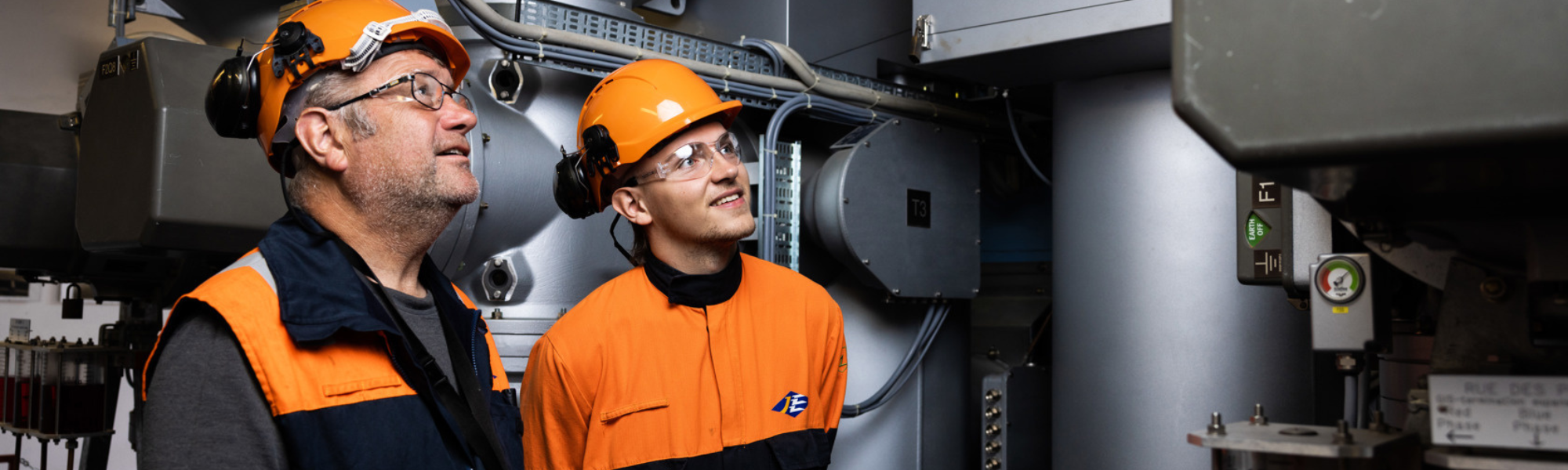
Key responsibilities on network upgrade projects
Electrical engineers working on infrastructure programmes are involved across multiple stages of project delivery.
Typical responsibilities include:
Design and engineering support
Contributing to the design of electrical systems, including substations, cabling and associated infrastructure.
Project delivery and coordination
Working alongside project managers, civil engineers and contractors to ensure projects are delivered on time and within scope.
Site-based engineering
Supporting installation, commissioning and testing of equipment on live or near-live systems.
Compliance and safety
Ensuring all work aligns with industry standards, safety rules and operational procedures.
Stakeholder collaboration
Engaging with operations teams, SAPs and other engineers to coordinate work safely and efficiently.
Skills needed for electrical infrastructure projects
Working on live network projects requires more than technical knowledge alone.
Key skills include:
- Strong understanding of electrical power systems
- Experience with HV and MV infrastructure
- Awareness of operational network constraints
- Ability to work within strict safety frameworks
- Effective communication across multidisciplinary teams
Engineers who succeed in this environment are typically those who can combine technical expertise with practical, on-site problem-solving.

Inside a real network upgrade programme
Large-scale infrastructure programmes provide some of the most rewarding opportunities for electrical engineers.
A strong example is the Big Upgrade programme being delivered by Jersey Electricity, which focuses on strengthening and modernising the island’s electricity network.
Projects like this involve:
- Upgrading substations and key network assets
- Reinforcing distribution infrastructure
- Supporting long-term capacity and resilience
- Integrating modern energy technologies
For engineers, this offers the chance to work on infrastructure that directly supports communities, businesses and essential services.
Why engineers choose live network projects
Electrical engineers are increasingly drawn to roles within live network environments for several reasons:
- The opportunity to work on critical infrastructure
- Exposure to complex, real-world engineering challenges
- Involvement in large-scale upgrade programmes
- Long-term career stability within the utilities sector
These roles offer a level of responsibility and impact that is difficult to replicate in more isolated engineering environments.

Career opportunities in electrical infrastructure engineering
As electricity networks continue to evolve, demand for experienced engineers remains strong across areas such as:
- Power network upgrades
- Substation design and delivery
- HV and MV infrastructure
- Energy transition and modernisation projects
Organisations like Jersey Electricity are investing in long-term infrastructure programmes, creating opportunities for engineers to contribute to meaningful, future-focused work.
Interested in Electrical Engineering opportunities?
If you’re an electrical engineer with experience in power systems, infrastructure or HV environments, there are increasing opportunities to work on projects that combine technical challenge with real-world impact.
To explore opportunities connected to live network upgrade programmes, you can:
- View current roles via the Jersey Electricity careers page
- Or speak directly with the recruitment team:
Share this blog post
