
Electricity networks are the backbone of modern society. From powering homes and hospitals to supporting digital infrastructure and transport systems, reliable electricity distribution is essential.
However, electricity networks are not static. As populations grow, technology evolves and renewable energy becomes more prominent, utilities must continually invest in upgrading and modernising their infrastructure.
Across Europe and the UK, major power network upgrade projects are underway to ensure electricity systems remain resilient, efficient and ready for the future. One example is the ambitious infrastructure programme currently being delivered by Jersey Electricity — known as the Big Upgrade.
But what does upgrading an electricity network actually involve, and what role do engineers play in delivering these complex projects?
What Is an Electricity Network Upgrade?
An electricity network upgrade involves modernising power infrastructure to increase capacity, improve reliability and support new technologies such as renewable energy and electric vehicles. These projects typically include reinforcing distribution networks, replacing ageing equipment, upgrading substations and introducing smart grid systems that allow utilities to monitor and manage electricity flows more efficiently.
Why Electricity Networks Need Upgrading
Electricity networks were originally designed for a very different energy landscape. Historically, power flowed in one direction: from large power stations through transmission networks and local distribution infrastructure to homes and businesses.
Today, energy systems are changing rapidly. Modern electricity networks must accommodate:
-
Increasing electricity demand
-
Growth in electric vehicles and electrified heating
-
Integration of renewable generation such as solar and wind
-
Smart energy technologies and digital monitoring systems
These changes require electricity infrastructure to be strengthened, expanded and modernised to maintain reliability and support future energy needs.
Network upgrade programmes often include replacing ageing equipment, increasing network capacity and introducing new digital systems that allow operators to monitor and control power flows more effectively.

What Does Upgrading an Electricity Network Involve?
Upgrading an electricity network is a large-scale engineering undertaking involving multiple technical disciplines and project phases.
Typical upgrade programmes may include:
Reinforcing Distribution Infrastructure
This can involve installing new substations, transformers and cables to increase capacity and support higher electricity demand.
Replacing Ageing Assets
Many electricity networks still operate equipment installed decades ago. Upgrades ensure older infrastructure is replaced with modern, more reliable technology.
Increasing Network Resilience
Utilities invest in network reinforcement to ensure systems can withstand extreme weather events, equipment failures or unexpected demand spikes.
Integrating Renewable Energy
As solar, wind and other renewable technologies expand, networks must adapt to handle more decentralised energy generation.
Implementing Smart Grid Technologies
Digital monitoring, automation and data analytics are increasingly used to optimise network performance and improve operational visibility.
Together, these improvements help ensure electricity networks remain secure, flexible and capable of supporting the transition to cleaner energy systems.
The Engineers Behind Network Modernisation
Delivering electricity infrastructure upgrades requires highly skilled engineering teams across multiple specialisms.
Key roles involved in power network modernisation include:
Electrical Engineers
Design and oversee the installation of network infrastructure including substations, transformers and high-voltage equipment.
Grid and Power Systems Engineers
Analyse network capacity, plan reinforcement strategies and ensure electricity flows safely across the system.
HV and MV Technicians
Install, maintain and commission high-voltage and medium-voltage equipment across the network.
Project Engineers and Managers
Coordinate complex infrastructure programmes, ensuring projects are delivered safely, efficiently and on schedule.
Digital and Data Specialists
Develop and implement smart grid systems that improve monitoring, automation and network optimisation.
These teams work together to deliver major infrastructure programmes that strengthen energy systems and support long-term sustainability.

Inside Jersey’s Big Upgrade
A major example of electricity network modernisation is the Big Upgrade programme being delivered by Jersey Electricity.
This large-scale infrastructure initiative focuses on strengthening and modernising the island’s electricity network to support future demand and energy transition goals.
Key objectives of the programme include:
-
Reinforcing the island’s electricity distribution network
-
Upgrading substations and key infrastructure assets
-
Supporting the integration of modern energy technologies
-
Ensuring long-term reliability for homes, businesses and public services
For engineers involved in the project, it represents an opportunity to contribute to infrastructure that directly supports the island’s economy and community.
Why Infrastructure Projects Attract Engineers
Large-scale energy infrastructure projects offer engineers the chance to work on technically complex systems that have a real-world impact.
Professionals working on electricity network upgrades often cite several reasons for choosing this sector:
-
The opportunity to work on critical national infrastructure
-
Exposure to complex engineering challenges
-
Long-term career stability in the utilities sector
-
The chance to contribute to energy transition and sustainability goals
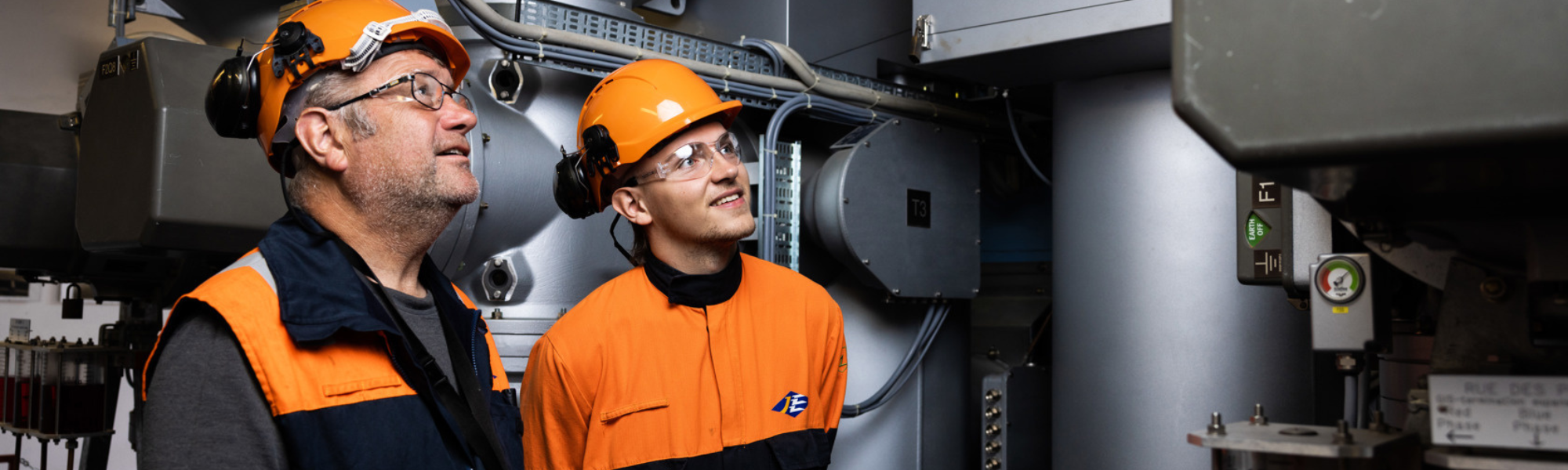
Infrastructure programmes like the Big Upgrade provide engineers with experience across planning, design, installation and commissioning phases — building valuable expertise in power systems engineering.
Careers in Electricity Network Engineering
As electricity systems evolve, demand for engineers with expertise in power networks, infrastructure delivery and energy systems continues to grow.
Utilities across the UK and Europe are investing heavily in network modernisation, creating career opportunities for professionals in areas such as:
-
Electrical engineering
-
Power systems engineering
-
HV and MV network operations
-
Infrastructure project management
-
Energy technology and digital systems
Organisations like Jersey Electricity are actively developing their networks to support future energy needs, offering engineers the chance to contribute to meaningful long-term infrastructure programmes.
Interested in Engineering Opportunities on Jersey’s Big Upgrade?
Delivering a major electricity infrastructure programme requires talented engineers across a wide range of disciplines.
From electrical engineers and grid specialists to project managers and technicians, the Big Upgrade programme offers opportunities to work on a project that will shape the island’s energy future.
To learn more about career opportunities supporting this programme, you can explore current roles or speak with the recruitment team supporting Jersey Electricity.
Share this blog post
